
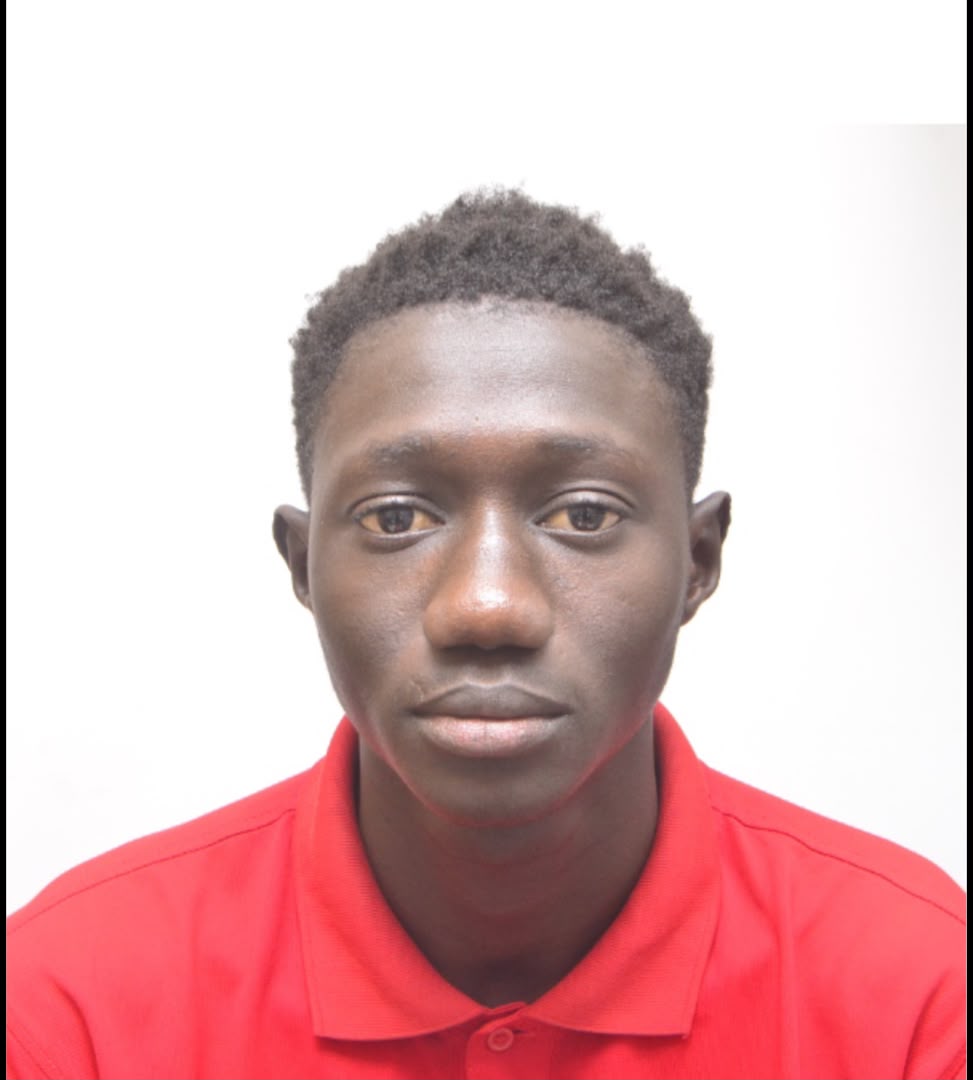
 About the Author: Babou Secka is a person who stutters from The Gambia, West Africa. He began stuttering at about two years old and grew up experiencing fear, shame, misunderstanding, and stigma because of his speech. He attended Gambia College from 2020 to 2024, where he studied Agriculture. In 2025, he continued his education at the University of The Gambia, where he is majoring in Crop Production. Babou is the founder of the Stuttering Advocacy and Support Association (SASA), an organisation working to raise awareness about stuttering and promote understanding, support, and inclusion for people who stutter in The Gambia. Through his personal experience and advocacy, Babou shares his story to challenge negative attitudes towards stuttering and encourage people who stutter to speak openly, participate in society, and pursue their dreams. He hopes to contribute to a future where people who stutter are respected, understood, and given equal opportunities to succeed. |
I started stuttering when I was about two years old. Growing up, I did not understand why I stuttered or why speaking could sometimes be so difficult for me. I was a quiet child and did not talk much. As I grew through childhood, my stuttering became more noticeable, and speaking became something I often feared.
I grew up in a community where stuttering was not well understood. People sometimes laughed at the way I spoke, made jokes about me, or gave me names that hurt. There was no speech therapist, counselling, or support to help me understand stuttering. I often felt that I was facing it alone.
At school, I had many things I wanted to say, but when I tried to speak, my words sometimes got stuck. I would change the words I wanted to use and choose easier words, even when they did not fully express what I meant. Sometimes I knew exactly what I wanted to say, but I could not get the words out the way I wanted.
Even simple things, such as asking for something or speaking to someone, could feel like a big challenge. I would practise or rehearse what I wanted to say before speaking, but when the moment came, I could still stutter. I became afraid of being asked questions and often avoided speaking because I was afraid people would not understand me.
One experience from Primary 3 has stayed with me.
Our teacher asked students to tell a story in our local language in front of the class. She called students one by one, and I tried to hide because I was shy and afraid. Then she called my name, “Babou Secka.”
I walked to the front of the class and started telling my story. My words got stuck. I struggled to say the word “liboon.” I tried again and again, but the word would not come out easily. The whole class became silent.
I eventually finished the story. The teacher asked if anyone understood what I had said. One boy raised his hand, came forward, and explained my story to the whole class exactly as I had told it.
Even though I had finished my story, I felt deeply ashamed. The teacher told me to get back to my seat when I was done, and as I walked back, tears started falling. After school, some of my classmates laughed at me and mocked the way I had spoken. I could not say anything. I simply walked away.
That experience stayed in my heart for a long time. It made me feel different from other children and made me question why I could not speak like them.
Another painful experience happened when I received my first scholarship in junior school. The scholarship team came to our compound to explain how the scholarship would support my education. I was happy and excited about my future.
Then I was told that I would be recorded for GRTS to say thank you for the scholarship. When I stood in front of the camera, my body shook, my hands became cold, and my mind froze. My words got stuck, and I stuttered during the recording. I could barely say thank you.
That moment stayed with me for years. I felt embarrassed and became even more afraid of speaking in front of people.
As I continued growing up, I avoided many social activities and large gatherings. In my community, I sometimes stayed indoors because I was afraid of speaking and being laughed at. People saw me as a quiet or introverted person, but they did not know that I was often hiding because of my stuttering.
I also began to believe that my stuttering could prevent me from achieving my dreams.
In my final year of high school, something happened that challenged that belief. I was chosen as Assistant Head Boy. At first, I wondered, “How could they choose me when I stutter?”
I worried about how I would perform my duties. The first time I spoke in front of the school, I stuttered. I stuttered again when visiting classrooms and addressing assemblies. I was nervous, but I continued. I focused on my responsibilities and did my best to lead the school.
Being Assistant Head Boy showed me that stuttering could make some situations difficult, but it did not take away my ability to lead.
When I graduated from high school, I wanted to become a teacher. Teaching was my first dream. However, I had been told that I could never become a teacher because of my stuttering. I was told that my students would laugh at me or report me to the principal. Because of those words and my fears, I changed my career path.
I was also told that I could never become a public speaker. Some people said I could never become a journalist because journalists needed to speak fluently. I was told that I would never be able to stand in front of a crowd and give a speech or attend an international forum because I took time to speak.
Those words made me feel that my voice was not important. For a long time, I believed them.
But I was still searching for a way to understand myself and my stuttering.
A change began when I started attending Zoom meetings with other people who stutter. For the first time, I heard people from different parts of the world openly talking about their experiences. I realised that I was not alone. I heard people say that our voices matter and that it is okay to stutter.
Those meetings helped me look at my stuttering differently. I was still stuttering, but I was beginning to understand that I did not have to hide it.
I started speaking more openly, even when I knew I might stutter. I learned that courage does not mean speaking perfectly. Sometimes courage means speaking even when you are afraid.
Today, I am proud to say that I am a person who stutters. I no longer want to hide my stuttering. My speech may have pauses, repetitions, or moments when words become difficult, but I still have something to say.
My experience with stuttering has not always been easy. It has affected my confidence, my social life, my education, and even some of the choices I made about my future. But it has also connected me with people I would never have known otherwise. Through other people who stutter, I found encouragement, understanding, and the courage to use my voice.
My journey eventually led me to found the Stuttering Advocacy and Support Association (SASA) in The Gambia. I wanted other people who stutter, especially children, to have opportunities to understand that they are not alone and that they should not have to feel ashamed of their voices.
Looking back, I think about the little boy in Primary 3 who stood in front of his classmates, struggled to get his words out, and walked back to his seat with tears in his eyes. I wish he had known then what I know now: he was not less capable because he stuttered.
My stuttering has many shades. There have been moments of fear, shame, silence, and pain. There have also been moments of courage, connection, growth, and acceptance.
I cannot change what happened when I was a child. But I can choose what I do with those experiences today.
I still stutter. I still have difficult speaking moments. But I no longer want my stuttering to decide what I can or cannot become.
I speak because I have something to say. I share my story because I know there are other people who may be hiding their voices just as I once did.
My hope is that one day, no child who stutters will believe that their dreams are too big because of the way they speak.

Hi Babou,
Thank you so much for sharing such a powerful story about your stuttering journey. I am in graduate school to become a speech language pathologist and really enjoyed reading about stuttering from your perspective. I am currently working with a stuttering client, and feel that reading about your experience with stuttering helped me to better understand some of the challenges he has faced with his own stutter. One thing from your paper that stood out to me most is that you were able to found the Stuttering Advocacy and Support Association in Gambia. This is absolutely amazing and I feel sure that this has helped so many individuals feel more seen. Every individual who stutters should know that their voice is important, and that their communication is just as valuable as everyone else’s. In your paper, you mentioned that there was no speech therapist available in your community growing up. Did you ever receive speech services? If you did, how did this impact the view of your stutter?
Thank you so much for your kind words and for taking the time to read my story. I really appreciate your interest in understanding the experiences of people who stutter.
I have never attended speech therapy because, in my home country, The Gambia, speech therapy services were not available in my community while I was growing up. As a result, I had to learn to navigate my stuttering on my own. This experience also motivated me to advocate for people who stutter and to help create awareness and support for others who may be facing similar challenges.
I am glad that sharing my story has helped you better understand your client’s experiences. Thank you for the important work you are doing to support people who stutter.
Hello, Babou. It was an honor to read your post and to see how stuttering has impacted your life. As an SLP student who doesn’t stutter, I can see how stuttering has impacted your life and altered your decisions. I am saddened by the way your teacher and classmates treated you. No person, especially no child, should be belittled because of the way they talk. Ultimately, it is great to see that you decided to take matters into your own hands and founded a support and advocacy group in your community. This is a wonderful idea and will ultimately help raise awareness of speech differences and, hopefully, inform people in your community that stuttering is not something to criticize. Once again, thank you for sharing your shades of stuttering wth us. I wish you luck in your endeavors at university!
hank you so much for your kind words and encouragement. I truly appreciate you taking the time to read my story and understand my experiences with stuttering. The way I was treated by my teacher and classmates was difficult, but those experiences also motivated me to advocate for people who stutter. My hope is to raise awareness, challenge negative attitudes, and create a supportive environment where people who stutter feel accepted and valued. Thank you again for your thoughtful message and your good wishes for my university journey. I wish you all the best in your journey to becoming a speech-language pathologist.
Thank you for sharing your story. I thought it was especially meaningful how connecting with other people who stutter helped you feel less alone and become more confident in using your voice. Your experience also showed how much other people’s reactions can influence someone’s confidence and future decisions. As future SLPs, how can we help children who stutter build confidence and continue pursuing their goals when they experience negative reactions from others?
As someone who stutters, I believe future SLPs can help children build confidence by creating a safe and supportive environment where they feel accepted and comfortable expressing themselves without fear of judgment. It is also important to educate teachers, classmates, and families about stuttering to reduce bullying and negative attitudes. From my own journey, I have learned that connecting with other people who stutter can make a big difference because it helps children realize they are not alone. Most importantly, SLP should encourage children to believe in themselves, embrace their voices, and pursue their dreams without allowing other people’s reactions to define their abilities. Children who stutter need to know that their voices matter and that they deserve the same opportunities as everyone else, regardless of how they speak.
Thank you, Babou, for sharing your experiences!
Thank you Ana Paula my friend. Keep doing great work, i do follow your post on Facebook with Spero Stuttering.
I really loved your story Babou, and your wonderful attitude to your stuttering and how it has changed and continued to change. “courage does not mean speaking perfectly. Sometimes courage means speaking even when you are afraid” – absolutely!
Keep talking, and best wishes
Gina
I am glad you admire my story Gina. I was waiting to be fluent to speak then i realized that i don’t have to be fluent to speak.
Hi Babou,
Wonderful what you do for the community. Besides the Facebook pages https://www.facebook.com/profile.php?id=61565129653108 of SASA and your own https://www.facebook.com/profile.php?id=100073936671448, do you use other social media as well?
And are there more associations in The Gambia?
Eh, I mean more associations for people who stutter in The Gambia.
SASA is the only Stuttering association in The Gambia.
I use LinkedIn as well. Search Babou Secka on LinkedIn, i post frequently on LinkedIn than on Facebook.
SASA is the first and only stuttering association in the Gambia. There is no speech language pathologist in the Gambia, we do lot of advocacy work in schools and held meeting among member’s in every three months for our support group.
Hi Babou!
Thank you for sharing such a personal and powerful story. As a former elementary school teacher who is now studying to become an SLP, your experience in Primary 3 really affected me. It reminded me how much influence educators and classmates can have on a child’s confidence and willingness to communicate. No child should ever feel that their voice is less important because they stutter.
I was especially inspired by how you turned those difficult experiences into something positive by establishing the Stuttering Advocacy and Support Association in The Gambia.
Looking back on your childhood, what is one thing you wish a teacher or another adult had done differently to help you feel supported and confident when speaking in front of your classmates?
Thank you for helping future clinicians like me better understand the importance of looking beyond fluency and supporting the whole person.
Thank you so much for your thoughtful words and for taking the time to read my story.
Looking back on my childhood, I wish my teachers and other adults had created an environment where a child who stutters feels seen, heard, accepted, and encouraged to participate in class.
I wish they had encouraged me to ask and answer questions, given me equal opportunities to participate, and welcomed my voice just as they welcomed the voices of other students. I also wish they had addressed bullying and teasing rather than allowing children who stutter to become targets of ridicule.
Most importantly, I wish they had told me that IT IS OKAY TO STUTTER. They should not have complete my sentences or focus only on how fluently we speak. We do not need pity. We need patience, understanding, acceptance, and equal opportunities to express ourselves.
If I had received this kind of support and encouragement during my childhood, I probably would not have felt the need to hide my stutter. I might not have experienced the same level of embarrassment, fear, and those moments when I stood in front of my classmates, struggled to speak, and ended up crying.
I believe every child deserves to feel safe and confident when speaking, regardless of how they communicate. The goal should not be to make children who stutter speak fluently, but to make sure they never feel that their voices matter less because they stutter.
This is also one of the reasons I established the Stuttering Advocacy and Support Association (SASA) in The Gambia. I want to contribute to creating the supportive environment I wish I had experienced as a child.
Thank you for sharing your story, Babou. Your experience as Assistant Head Boy stood out to me because you continued leading while still stuttering. Did that experience change how you approached speaking situations afterward, or did its meaning become clearer when you reflected on it later?
Thank you for this question. Interestingly, even when I was serving as Assistant Head Boy, I was still hiding my stutter. Although the leadership position gave me more confidence to speak in front of people and carry out my responsibilities, it did not necessarily mean I had accepted my stuttering. I was still trying to hide it.
My biggest turning point came much later when I started attending Zoom meetings with other people who stutter and reading about their personal experiences as people who stutter. For the first time, I began connecting with people who shared similar experiences. Listening to their stories helped me realise that I was not alone and that I did not have to hide the way I speak.
It was through these connections and shared experiences that I gradually began to understand and accept my stuttering.
Looking back, being Assistant Head Boy helped me build confidence in my ability to lead and speak in front of others, but connecting with the stuttering community helped me become more comfortable with who I am as a person who stutters.
Hello Babou,
Your story was so inspiring and interesting to read about. I love how you took a once negative experience and turned it into a positive outcome in a way that is helping others. I would love to know more about the organization you founded and how it has impacted other’s within your area!
Hello!
Thank you so much for your kind words and for your interest in learning more about the organisation.
The Stuttering Advocacy and Support Association (SASA) is an organisation I founded in The Gambia to advocate for the rights, dignity, acceptance and inclusion of people who stutter.
Our work focuses on raising awareness, creating supportive spaces and helping people who stutter understand that they are not alone and do not have to hide their voices.
We organise peer support meetings where people who stutter have opportunities to connect, share their personal experiences, listen to one another and learn from each other’s journeys. One thing that makes me particularly happy is seeing people who previously felt uncomfortable talking about their stuttering gradually become more accepting of themselves and more willing to speak openly about their experiences. Some are now finding the confidence to share their stories without feeling ashamed of how they speak.
We also conduct school and community outreaches to educate students, teachers and the wider public about stuttering. We want children who stutter to feel accepted, encouraged to ask and answer questions in class, and protected from teasing and bullying. We engage teachers on how to support children who stutter without putting pressure on them to speak fluently.
In addition, we use radio and television platforms to raise awareness and challenge misconceptions about stuttering. We have participated in discussions on THD TV, Kuwonku TV, King FM, GRTS and QTV, among other platforms. We also engage with organisations and stakeholders working in disability inclusion and education.
Recently, SASA was invited to participate in an inclusive education training session, where we discussed practical ways teachers can support children who stutter in the classroom.
Although we are still growing and face challenges, particularly the limited availability of speech therapy services and professional support for people who stutter in The Gambia, we remain committed to creating a society where people who stutter are understood, accepted and included.
For me, the greatest impact is not simply the number of awareness activities we organise. It is seeing people who once hide their stuttering gradually find the courage to speak openly about their experiences, connect with others and realised that they do not have to change the way they speak to be valued.
Ultimately, we want people who stutter to know that they can participate, lead, pursue their dreams and contribute meaningfully to society without having to achieve fluency first.
It is okay to stutter. Your voice matters, and you deserve to be heard.
Thank you again for your interest in our work. It means a lot to have people willing to learn about stuttering and support greater understanding and acceptance.
Hi Babou
Thank you so much for sharing your story. I recognise so much, going from a hurtful youth to finding your voice and even better: helping others to find theirs. Keep talking, Babou, as your country, your continent, needs to hear your voice.
Anita
My journey has taught me that our painful experiences do not have to define us or silence us. We can use those experiences to create positive change and help others who may be going through similar challenges.
One thing I have come to realise is that finding my voice is not about becoming fluent, but about becoming comfortable with who I am and speaking openly without feeling the need to hide my stutter.
Through SASA, I hope to continue creating opportunities for people who stutter in The Gambia and across Africa to feel seen, heard, accepted and encouraged to use their voices.
I’m following your footsteps, Babou. Let me know if there’s anything I can do to raise awareness in Gambia and Africa.
Sharing my story, “From Hiding My Voice to Using It: My Shades of Stuttering,” has been a meaningful experience for me. For many years, I hid my stuttering because of fear, embarrassment and the reactions of others. I often felt uncomfortable speaking and wondered whether people would accept me.
My journey towards accepting my stuttering was not easy, but connecting with other people who stutter, listening to their experiences and sharing my own helped me realised that I was not alone. I also learned that I do not have to be fluent to have a voice, participate, lead or make a difference.
Today, I am proud to use my experiences to advocate for people who stutter through the Stuttering Advocacy and Support Association (SASA) in The Gambia.
I shared this story not because my journey is perfect, but because I believe our experiences matter. I hope it encourages someone who is still hiding their stutter to know that they are not alone and that their voice deserves to be heard.
It is okay to stutter. Your voice matters.
Thank you to everyone who has taken the time to read my story, share their thoughts and connect with me. Your comments and encouragement mean a lot.
You are so right, Babou. Your voice matters. May many others find their voices because of you.