
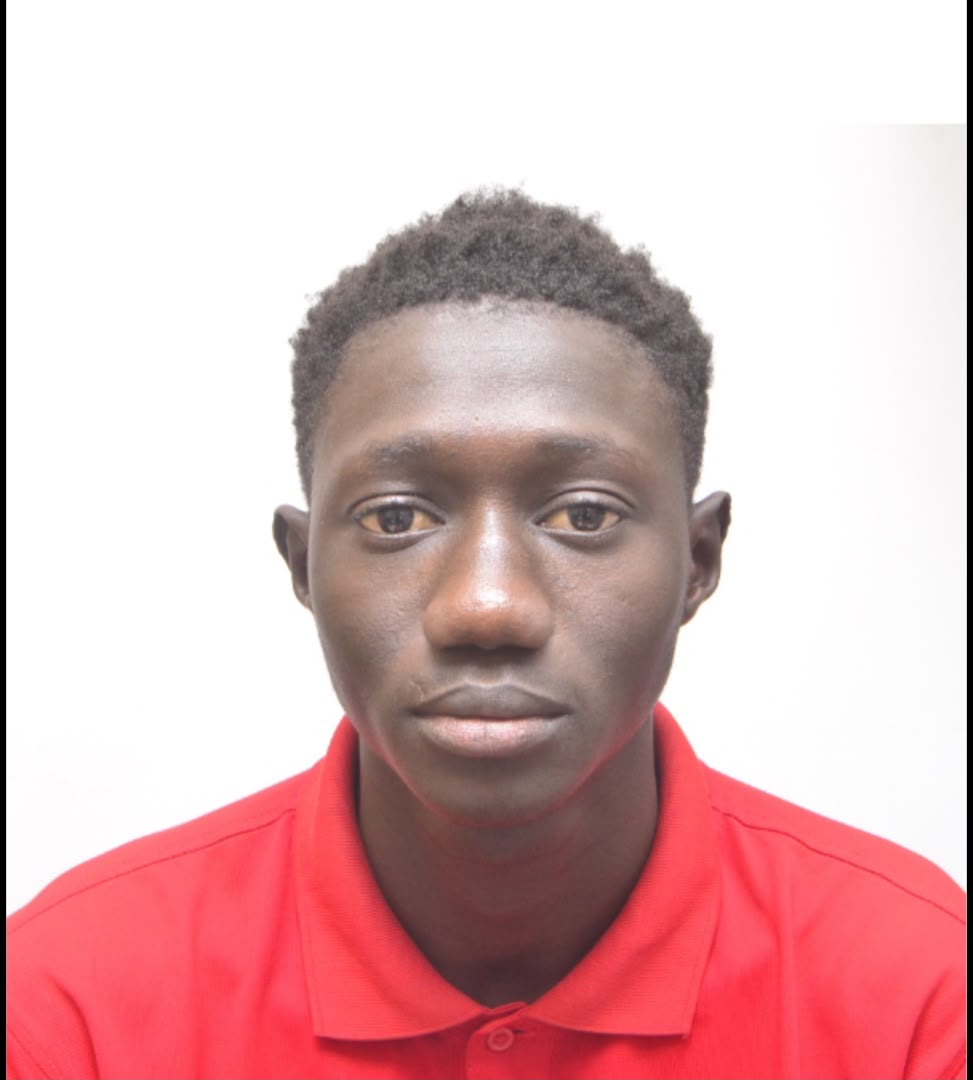
 About the Author: About the Author:
Babou Secka is a person who stutters from The Gambia, West Africa. He began stuttering at about two years old and grew up experiencing fear, shame, misunderstanding, and stigma because of his speech. He attended Gambia College from 2020 to 2024, where he studied Agriculture. In 2025, he continued his education at the University of The Gambia, where he is majoring in Crop Production. Babou is the founder of the Stuttering Advocacy and Support Association (SASA), an organisation working to raise awareness about stuttering and promote understanding, support, and inclusion for people who stutter in The Gambia. Through his personal experience and advocacy, Babou shares his story to challenge negative attitudes towards stuttering and encourage people who stutter to speak openly, participate in society, and pursue their dreams. He hopes to contribute to a future where people who stutter are respected, understood, and given equal opportunities to succeed. |
I started stuttering when I was about two years old. Growing up, I did not understand why I stuttered or why speaking could sometimes be so difficult for me. I was a quiet child and did not talk much. As I grew through childhood, my stuttering became more noticeable, and speaking became something I often feared.
I grew up in a community where stuttering was not well understood. People sometimes laughed at the way I spoke, made jokes about me, or gave me names that hurt. There was no speech therapist, counselling, or support to help me understand stuttering. I often felt that I was facing it alone.
At school, I had many things I wanted to say, but when I tried to speak, my words sometimes got stuck. I would change the words I wanted to use and choose easier words, even when they did not fully express what I meant. Sometimes I knew exactly what I wanted to say, but I could not get the words out the way I wanted.
Even simple things, such as asking for something or speaking to someone, could feel like a big challenge. I would practise or rehearse what I wanted to say before speaking, but when the moment came, I could still stutter. I became afraid of being asked questions and often avoided speaking because I was afraid people would not understand me.
One experience from Primary 3 has stayed with me.
Our teacher asked students to tell a story in our local language in front of the class. She called students one by one, and I tried to hide because I was shy and afraid. Then she called my name, “Babou Secka.”
I walked to the front of the class and started telling my story. My words got stuck. I struggled to say the word “liboon.” I tried again and again, but the word would not come out easily. The whole class became silent.
I eventually finished the story. The teacher asked if anyone understood what I had said. One boy raised his hand, came forward, and explained my story to the whole class exactly as I had told it.
Even though I had finished my story, I felt deeply ashamed. The teacher told me to get back to my seat when I was done, and as I walked back, tears started falling. After school, some of my classmates laughed at me and mocked the way I had spoken. I could not say anything. I simply walked away.
That experience stayed in my heart for a long time. It made me feel different from other children and made me question why I could not speak like them.
Another painful experience happened when I received my first scholarship in junior school. The scholarship team came to our compound to explain how the scholarship would support my education. I was happy and excited about my future.
Then I was told that I would be recorded for GRTS to say thank you for the scholarship. When I stood in front of the camera, my body shook, my hands became cold, and my mind froze. My words got stuck, and I stuttered during the recording. I could barely say thank you.
That moment stayed with me for years. I felt embarrassed and became even more afraid of speaking in front of people.
As I continued growing up, I avoided many social activities and large gatherings. In my community, I sometimes stayed indoors because I was afraid of speaking and being laughed at. People saw me as a quiet or introverted person, but they did not know that I was often hiding because of my stuttering.
I also began to believe that my stuttering could prevent me from achieving my dreams.
In my final year of high school, something happened that challenged that belief. I was chosen as Assistant Head Boy. At first, I wondered, “How could they choose me when I stutter?”
I worried about how I would perform my duties. The first time I spoke in front of the school, I stuttered. I stuttered again when visiting classrooms and addressing assemblies. I was nervous, but I continued. I focused on my responsibilities and did my best to lead the school.
Being Assistant Head Boy showed me that stuttering could make some situations difficult, but it did not take away my ability to lead.
When I graduated from high school, I wanted to become a teacher. Teaching was my first dream. However, I had been told that I could never become a teacher because of my stuttering. I was told that my students would laugh at me or report me to the principal. Because of those words and my fears, I changed my career path.
I was also told that I could never become a public speaker. Some people said I could never become a journalist because journalists needed to speak fluently. I was told that I would never be able to stand in front of a crowd and give a speech or attend an international forum because I took time to speak.
Those words made me feel that my voice was not important. For a long time, I believed them.
But I was still searching for a way to understand myself and my stuttering.
A change began when I started attending Zoom meetings with other people who stutter. For the first time, I heard people from different parts of the world openly talking about their experiences. I realised that I was not alone. I heard people say that our voices matter and that it is okay to stutter.
Those meetings helped me look at my stuttering differently. I was still stuttering, but I was beginning to understand that I did not have to hide it.
I started speaking more openly, even when I knew I might stutter. I learned that courage does not mean speaking perfectly. Sometimes courage means speaking even when you are afraid.
Today, I am proud to say that I am a person who stutters. I no longer want to hide my stuttering. My speech may have pauses, repetitions, or moments when words become difficult, but I still have something to say.
My experience with stuttering has not always been easy. It has affected my confidence, my social life, my education, and even some of the choices I made about my future. But it has also connected me with people I would never have known otherwise. Through other people who stutter, I found encouragement, understanding, and the courage to use my voice.
My journey eventually led me to found the Stuttering Advocacy and Support Association (SASA) in The Gambia. I wanted other people who stutter, especially children, to have opportunities to understand that they are not alone and that they should not have to feel ashamed of their voices.
Looking back, I think about the little boy in Primary 3 who stood in front of his classmates, struggled to get his words out, and walked back to his seat with tears in his eyes. I wish he had known then what I know now: he was not less capable because he stuttered.
My stuttering has many shades. There have been moments of fear, shame, silence, and pain. There have also been moments of courage, connection, growth, and acceptance.
I cannot change what happened when I was a child. But I can choose what I do with those experiences today.
I still stutter. I still have difficult speaking moments. But I no longer want my stuttering to decide what I can or cannot become.
I speak because I have something to say. I share my story because I know there are other people who may be hiding their voices just as I once did.
My hope is that one day, no child who stutters will believe that their dreams are too big because of the way they speak.

Hi Babou,
Thank you so much for sharing such a powerful story about your stuttering journey. I am in graduate school to become a speech language pathologist and really enjoyed reading about stuttering from your perspective. I am currently working with a stuttering client, and feel that reading about your experience with stuttering helped me to better understand some of the challenges he has faced with his own stutter. One thing from your paper that stood out to me most is that you were able to found the Stuttering Advocacy and Support Association in Gambia. This is absolutely amazing and I feel sure that this has helped so many individuals feel more seen. Every individual who stutters should know that their voice is important, and that their communication is just as valuable as everyone else’s. In your paper, you mentioned that there was no speech therapist available in your community growing up. Did you ever receive speech services? If you did, how did this impact the view of your stutter?
Hello, Babou. It was an honor to read your post and to see how stuttering has impacted your life. As an SLP student who doesn’t stutter, I can see how stuttering has impacted your life and altered your decisions. I am saddened by the way your teacher and classmates treated you. No person, especially no child, should be belittled because of the way they talk. Ultimately, it is great to see that you decided to take matters into your own hands and founded a support and advocacy group in your community. This is a wonderful idea and will ultimately help raise awareness of speech differences and, hopefully, inform people in your community that stuttering is not something to criticize. Once again, thank you for sharing your shades of stuttering wth us. I wish you luck in your endeavors at university!
Thank you for sharing your story. I thought it was especially meaningful how connecting with other people who stutter helped you feel less alone and become more confident in using your voice. Your experience also showed how much other people’s reactions can influence someone’s confidence and future decisions. As future SLPs, how can we help children who stutter build confidence and continue pursuing their goals when they experience negative reactions from others?