
 About the Author: About the Author:
Clément Aunis-Oumghar is an autistic person who stutters and works as a clinical speech-language pathologist and researcher at ARCO. He also lectures at the Université Picardie Jules Verne in Amiens and runs professional training workshops around stuttering. His main research interests are in the intersection of stuttering and neurodiversity. https://fluidite-communication.fr/ |
Cross-experiences of living with stuttering and autism (in 5 different shades and witty memes)

MASKING
- Masking is a behavioral response to a misfit in a communication context (Hull et al., 2020; Miller et al., 2021)
- Masking is not limited to social behaviors, but also includes verbal ones (Constantino et al., 2017; Sønsterud et al., 2022).
- How can you tell if you are masking? After all, unless a behavior leads to a problematic outcome, people tend to consider it “normal”. And as long as the environment normalizes it, an individual may not get awareness of their masking behavior.
HYPERLEXEMIA
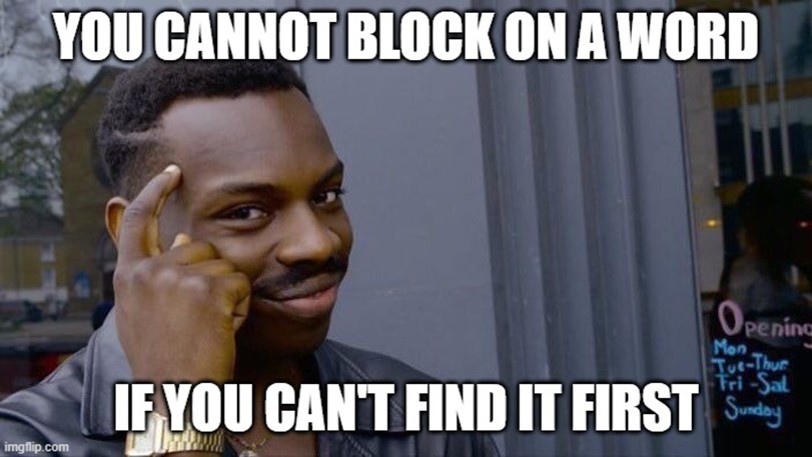
- In the same way that some autistic people exhibit hyperlexia (Ostrolenk et al., 2017), some may also exhibit hyperlexemia (an early and spontaneous drive for vocabulary).
- During the late verbal development, verbal patterns mimicking written language can appear, poorly suited in social contexts. Quotes, catchphrases and fixed expressions make it easy to use pre-programmed sequences to add emphasis to one’s speech.
- However, there is also a constant need to adjust patterns to match the context.
AVOIDANCE BEHAVIOURS
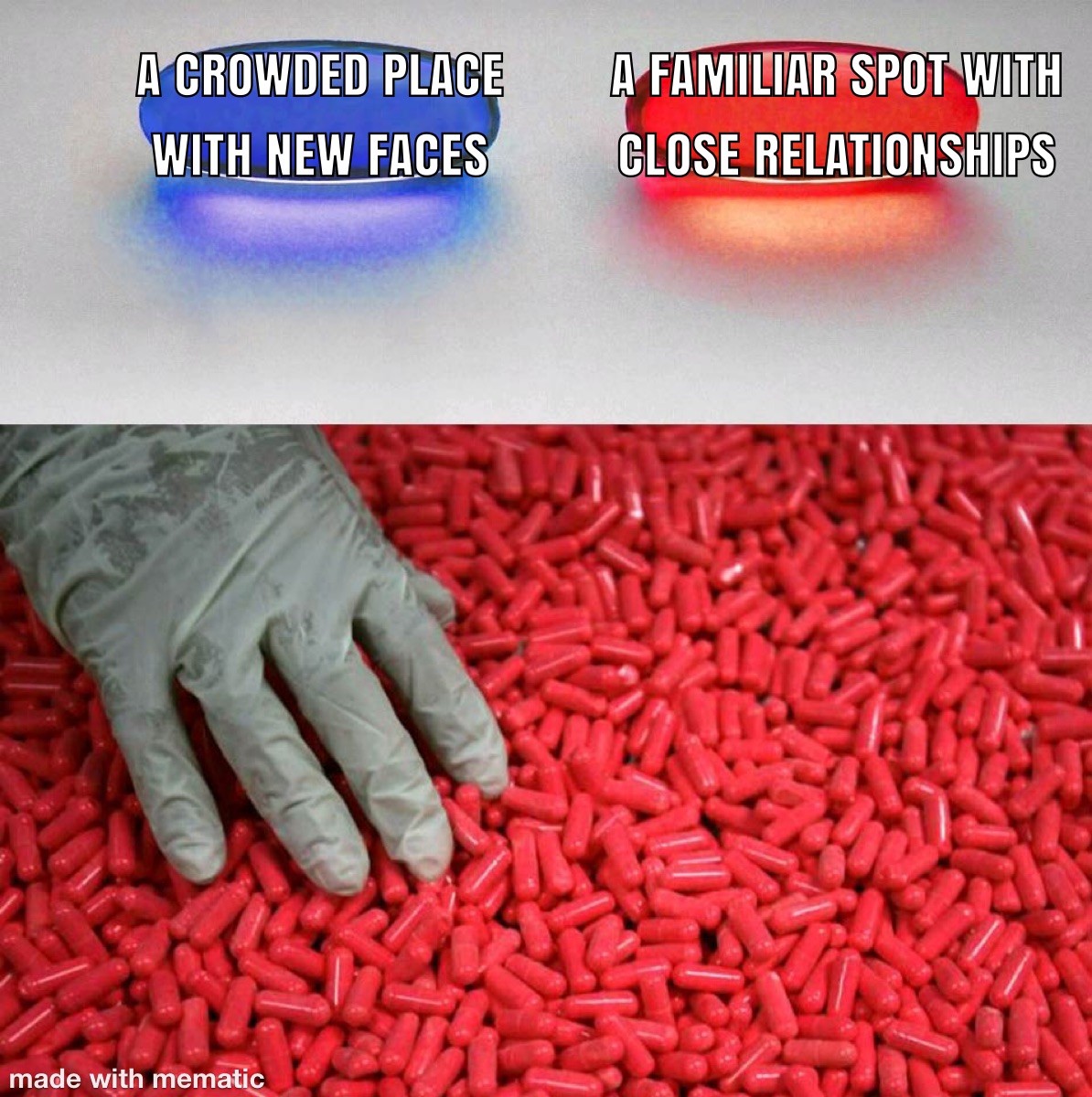
- Complex communication contexts (multiple conversation partners, noisy or visually stimulating environments, diverse communication stresses, etc.) place a constant cognitive overload on individuals (Connery et al., 2020; Usler, 2022).
- Avoidance behaviors are behavioral responses that are sometimes consistent and appropriate for some people in a given situation, especially when the environment is not supportive.
- Some environments may be partially or totally excluded from this need for avoidance, especially in settings crowded in neurodivergent people.
EXECUTIVE DYSFUNCTION
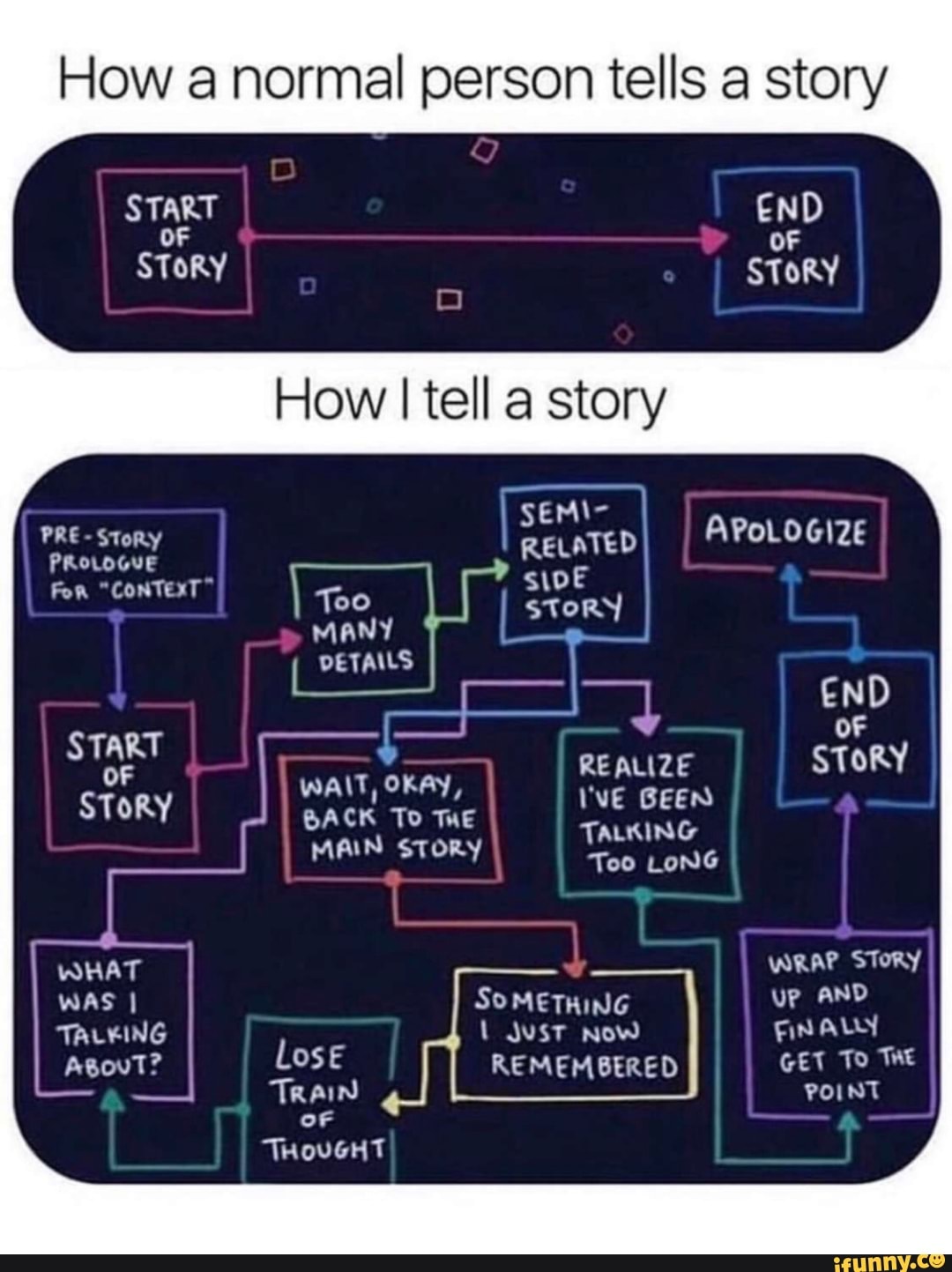
- Autistic people commonly experience monotopic thinking pattern (form. limited interests), with a reduced attention span focused on focal attractions.
- This can lead to costly deadlines being missed due to a form of dysexecutive procrastination.
- It can also pose a challenge with sequencing processes: the “everything” part is clear, but the steps lack order. The same challenges apply when it comes to planning the sentence’s syntactic units, especially in richly layered and/or complex contexts.
- Simple and repetitive tasks lead to a state of cognitive flow where thinking is faster and more efficient.

PRIDE
- I have learned that you cannot fix what is not broken, and that I am not broken.
- I have understood that learning about myself wasn’t about finding excuses and that labels only restrict us when they’re used against us.
- I found a sense of community and sharing in the pride of being part of such an extraordinary and rich group of people like neurodivergent folks.
REFERENCES
Connery, A., McCurtin, A., & Robinson, K. (2020). The lived experience of stuttering : A synthesis of qualitative studies with implications for rehabilitation. Disability and Rehabilitation, 42(16), 2232‑2242. https://doi.org/10.1080/09638288.2018.1555623
Constantino, C. D., Manning, W. H., & Nordstrom, S. N. (2017). Rethinking covert stuttering. Journal of Fluency Disorders, 53, 26‑40. https://doi.org/10.1016/j.jfludis.2017.06.001
Hull, L., Petrides, K. V., & Mandy, W. (2020). The Female Autism Phenotype and Camouflaging : A Narrative Review. Review Journal of Autism and Developmental Disorders, 7(4), 306‑317. https://doi.org/10.1007/s40489-020-00197-9
Miller, D., Rees, J., & Pearson, A. (2021). “Masking Is Life” : Experiences of Masking in Autistic and Nonautistic Adults. Autism in Adulthood: Challenges and Management, 3(4), 330‑338. https://doi.org/10.1089/aut.2020.0083
Ostrolenk, A., Forgeot d’Arc, B., Jelenic, P., Samson, F., & Mottron, L. (2017). Hyperlexia : Systematic review, neurocognitive modelling, and outcome. Neuroscience and Biobehavioral Reviews, 79, 134‑149. https://doi.org/10.1016/j.neubiorev.2017.04.029
Sønsterud, H., Howells, K., & Ward, D. (2022). Covert and overt stuttering : Concepts and comparative findings. Journal of Communication Disorders, 99, 106246. https://doi.org/10.1016/j.jcomdis.2022.106246
Usler, E. R. (2022). Why Stuttering Occurs : The Role of Cognitive Conflict and Control. Topics in Language Disorders, 42(1), 24‑40. https://doi.org/10.1097/tld.0000000000000275

Comments
Cross-experiences Of Living With Stuttering And Autism – Clément Aunis-Oumghar — No Comments
HTML tags allowed in your comment: <a href="" title=""> <abbr title=""> <acronym title=""> <b> <blockquote cite=""> <cite> <code> <del datetime=""> <em> <i> <q cite=""> <s> <strike> <strong>