
|
Leila Shahriari is a software engineer, postgraduate student, and mother of two who stutters. After migrating to an English-speaking country, she learned to replace avoidance with assertiveness through gentle voluntary stuttering, brief disclosures, and self-compassion. She values participation over perfection and enjoys mentoring other people who stutter—especially parents and newcomers. Beyond her studies, she connects with local and online stuttering communities and advocates for inclusive classrooms and workplaces. She believes that different voices and languages enrich conversations and that courage often begins with a single sentence. |
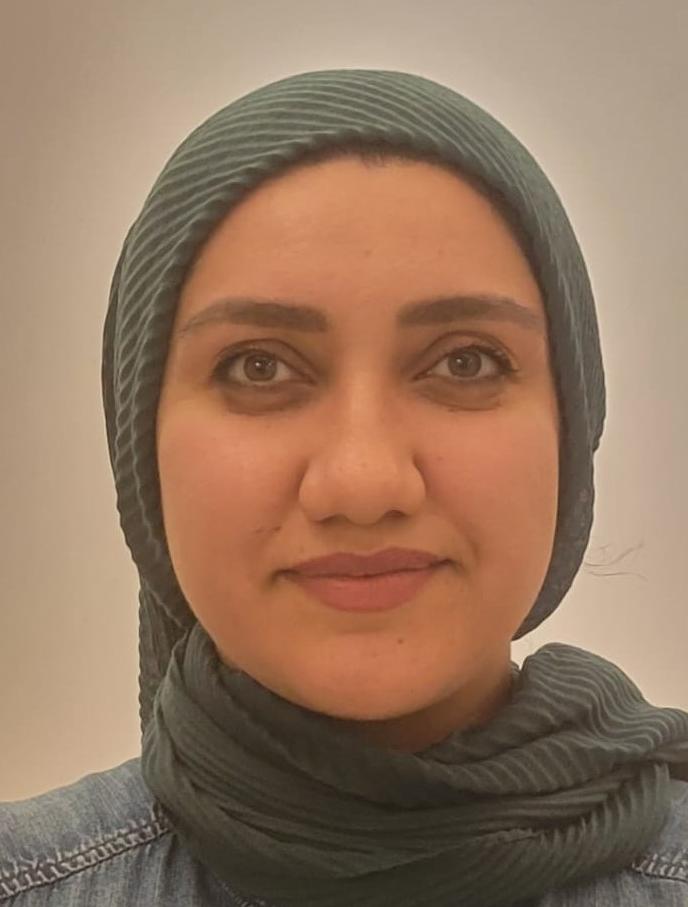
I am a mother of two, and I stutter. For a long time, fear shaped my choices—fear of phone calls, meetings, and moments when my voice might get stuck. I avoided speaking in the places where my voice mattered most.
I studied software engineering in my home country. I turned down a respected job because it required meetings and calls. I gave up on a master’s degree I really wanted because I couldn’t imagine standing up and presenting. Even as an undergraduate, I found ways to dodge class talks. Motherhood didn’t erase the fear. I worried about calling my children’s school. At family gatherings, I stayed quiet so I wouldn’t become “the center of attention.” Sometimes I didn’t call my husband’s workplace because I feared blocking and being unable to speak.
Psychotherapy and speech therapy changed my direction. I learned assertiveness—not being loud, but believing that my needs and my voice matter. My therapist introduced voluntary stuttering: choosing to stutter gently, on purpose, to reduce fear. At first, I couldn’t do it. I cried in sessions. I thought therapy would teach me not to stutter; instead, it taught me to belong in my own voice.
Then I migrated to an English-speaking country. English is not my first language, and I had to speak often—especially in postgraduate courses like project management where presentations were constant. The challenges followed me, but I had started to treat myself with compassion. That was the beginning of real change.
I still stutter. Some days are hard. But I now see the strengths stuttering has grown in me: courage (making the call to my child’s school even if I block), clarity (telling people, “I stutter, so I may need a moment”), patience (letting silence breathe while I find my words), connection (learning from other people who stutter), a bilingual perspective (valuing different voices and languages), and problem-solving (planning for high-stakes moments with notes, email follow-ups, or brief disclosures instead of avoiding them). After tough moments I tell myself, “That wasn’t so bad. You did it.”
Looking back, avoidance didn’t help. Chasing perfect fluency didn’t help. Hiding my stutter raised the pressure and the shame. What did help was gentle voluntary stuttering, simple disclosure, assertiveness skills, self-compassion, community support, and a focus on small wins—one phone call, one question in class, one sentence in a meeting.
Motherhood and migration shaped my growth. My children are watching how I handle hard things. When they hear me stutter and keep going, they learn that courage is not perfection—it’s staying present. Starting over in a new language and culture taught me that a voice can be both different and strong.
Our stuttering community is wonderfully diverse—parents and caregivers, kids and teens, students, professionals and job-seekers, newcomers and immigrants, bilingual and multilingual speakers, people with other disabilities, allies and friends, teachers, employers, and SLPs. We live in big cities and small towns, speak many languages, and carry many identities. Our challenges differ—and so do our strengths. We can meet these challenges together.
- To students who dread presentations: try one clear sentence; let the pause be part of it.
- To kids and teens: you can say you stutter (or not); there is no “right” way to talk.
- To newcomers and bilingual speakers: your accent and your stutter can coexist—both are signs of a rich life.
- To jobseekers and professionals: a brief disclosure (“I stutter; I may take a moment”) can lower pressure and raise clarity.
- To parents and caregivers: your calm presence matters more than perfect words; celebrate participation, not perfection.
- To teachers and professors: give time, don’t finish our sentences, and offer multiple ways to contribute (spoken, chat, written).
- To coworkers and managers: set meeting norms—no interruptions, patient turn-taking, and space to finish.
- To friends and allies: listen without jumping in; be curious about our ideas, not our fluency.
- To event organizers: allow extra time and alternate formats; inclusion is a design choice.
- To SLPs: thank you for centering participation, self-advocacy, and self-compassion—alongside any fluency goals; partner with us on what matters in real life.
The journey from avoidance to assertiveness is hard—and possible. Stuttering has given me empathy, patience, and a deeper respect for every person trying to be heard. My voice may sound different, but it is mine. It is enough. Sometimes, courage begins with a simple sentence: I stutter—and my voice deserves to be heard.

Hi Leila, I really appreciated how you wove together so many aspects of your life (stuttering, migration, parenting, bilingualism) without simplifying any of them. It’s not easy to deal with so much complexity with such clarity.
And now for the million-dollar question: how do you think gender has influenced your experience of stuttering, especially as a mother facing new systems and expectations in a different culture?
I’m grateful for this question. Gender affected me most once I became a mother. As the parent handling many high-stakes tasks, whenever I was about to block, the questioning look from my children—because they didn’t yet know I stutter— hit hard, as if competence were measured by fluency. What empowered me after migration were two practices: a clear, brief disclosure and honest conversations with my kids. My favorite memory is telling them about disclosing in a college class; my daughter said, “Mom, I’m proud of you.” For me, that proves courage can sound different and still lead the way.
Hello Mrs.Shahriari.Your essay shows that you are an strong person and your children can proud of you.
Beacuse you love your unique accent as stuttering and you accepted that it is a part of you too.I hope you be successfull.
Thank you for your kind message. It really means a lot to me that you noticed that part of my story.
This is great Leila! You have an impressive range of experiences and a great perspective on stuttering. I really like the idea of brief disclosure- being upfront but also making clear that stuttering is normal and doesn’t need to be a big deal for people to worry about. Was this something you picked up through therapy or developed through your own experience? I’m very interested in gentle voluntary stuttering too, sounds like a great approach!
Thank you for your warm and insightful comment. I learned both brief disclosure and gentle voluntary stuttering through my therapy process, and I try to use them in my daily life—adapting them to real situations as I go
Hi Lelia, your article is very comprehensive, and I appreciate that you address all readers of different identities and tailormade the messages. I also felt weird when being introduced to voluntarily stuttering (like part of avoidance reduction therapy), yet it’s unbelievaly useful in conquing fear.
I longed for going on oversea exchange in undergraduate but I didn’t even sign up due to unconfident, mainly afraid of my stutter in interviews. Want to learn more about how you overcome challenges as a mother and immigrant as well.
Leila, thank you for sharing your story! I love the list of recommendations at the end, so important and practical. I am thankful that your therapy taught you to “belong in my own voice.” That’s beautiful! – Ana Paula Mumy
Hi Leila,
I really loved reading your story, it felt so honest and real. I come from a big family with lots of kids, so when you talked about your children watching how you handle hard things, that really touched me. I could just picture how meaningful that must be for them to see your courage. I also liked when you said courage isn’t about perfection but staying present; that line stuck with me. Thank you for sharing your story and reminding me how powerful it is to just show up and be yourself.
-Kim
What a beautiful and powerful article that so wonderfully highlights the strength of diversity—thank you for sharing these inspiring experiences!